From TikTok to Therapy: How Tarot Ended Up Everywhere
By Zara
Table of Contents
It started with a phone screen
A friend sent me a tarot-related Instagram story about two years ago. I was in one of those weeks where everything felt slightly off but nothing was actually wrong. You know the kind. I tapped through the story, rolled my eyes a little, and then spent the next forty minutes falling down a rabbit hole of tarot content on TikTok.
That was my entry point. And apparently, I wasn’t alone.
Tarot has exploded in popularity over the past few years. Not in a quiet, underground way. In a millions-of-views, mainstream-conversation, your-coworker-mentions-it-at-lunch kind of way. If you’ve noticed tarot popping up everywhere recently, from your social feeds to podcasts to actual therapy practices, you’re not imagining it.
So what’s going on? Why now?
The algorithm picked up on something real
Let’s start with the obvious: social media. TikTok in particular has turned tarot into one of its most-watched spiritual content categories. The hashtag has billions of views. Creators post daily “pick a card” videos, share spread explanations, and talk about tarot in ways that feel casual and relatable rather than mystical and distant.
But here’s the thing. The algorithm didn’t create the interest. It amplified something that was already building. People were already looking for tools to process their emotions, make sense of confusing times, and feel more connected to themselves. Tarot just happened to fit that need perfectly.
It’s visual. It’s symbolic. It’s personal. And unlike a lot of self-help content, it doesn’t tell you what to do. It asks you to reflect.
That’s a powerful combination in a world where most content is trying to sell you an answer.
Gen Z didn’t kill tarot’s mystique. They reinvented it.
One of the most interesting things about tarot’s current wave is who’s driving it. Younger generations have taken tarot and stripped away a lot of the gatekeeping that used to surround it. You don’t need to be part of a specific tradition. You don’t need years of study before you’re “allowed” to be curious.
Gen Z approaches tarot the way they approach a lot of things: with openness, a healthy dose of skepticism, and zero patience for pretentiousness. They’re not necessarily saying “I believe the cards predict the future.” They’re saying “This is a cool framework for thinking about my life.”
And honestly? That’s a completely valid way to engage with it.
This shift has made tarot more accessible than ever. It’s no longer locked behind velvet curtains and incense clouds. It’s on your phone. It’s in your journal. It’s part of the conversation.
Therapists are paying attention too
Here’s where it gets really interesting. Tarot isn’t just trending with twentysomethings on social media. It’s showing up in more traditional spaces too.
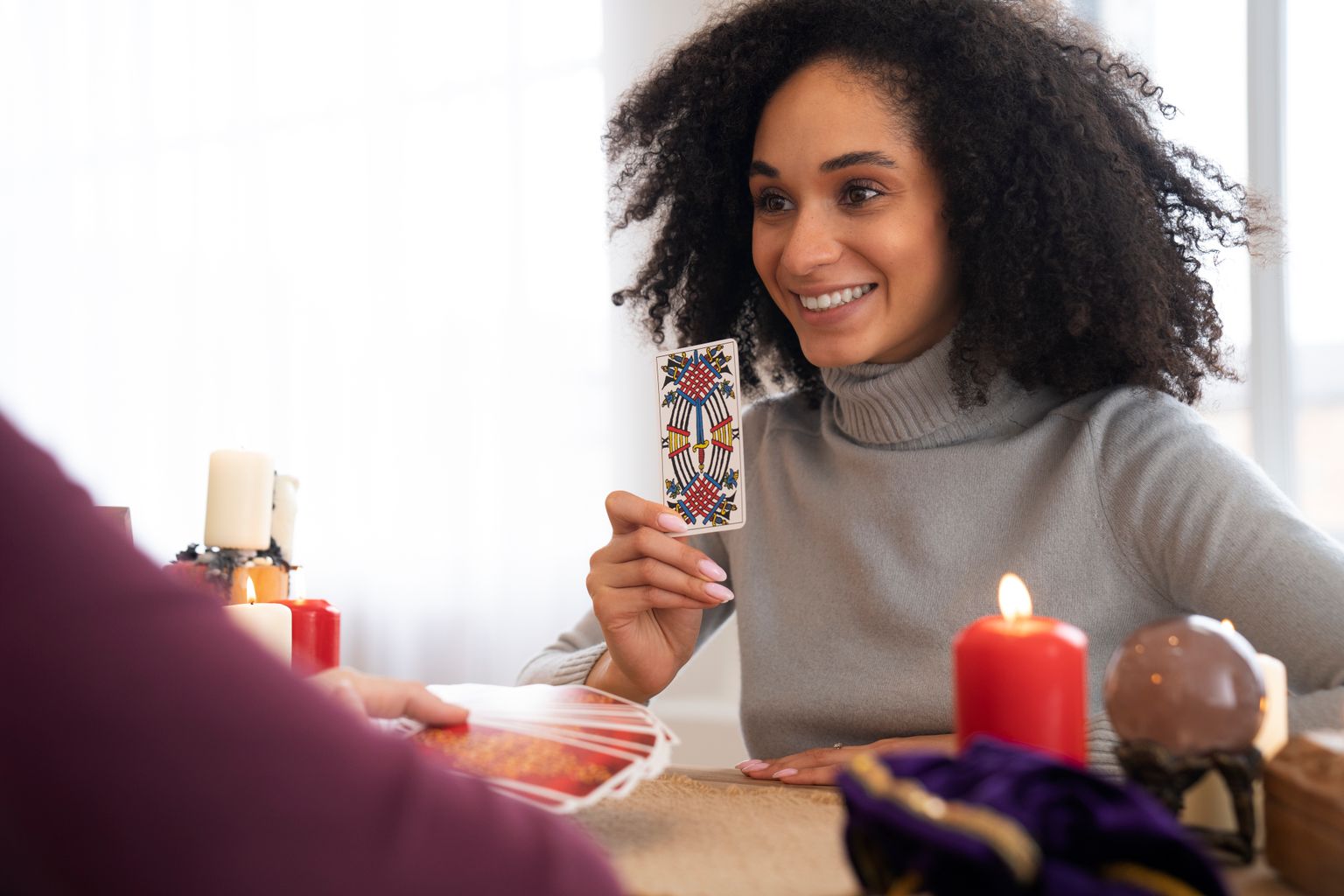
Some therapists and counselors have started incorporating tarot-like tools into their practice. Not as fortune-telling, but as a way to open up conversations that clients might otherwise struggle to start. The imagery on the cards can act as a mirror, reflecting thoughts and feelings that are hard to put into words directly.
Think about it. If someone pulls a card that speaks to themes of change or uncertainty, that’s not magic. That’s a conversation starter. It gives people permission to talk about what’s already on their mind.
This crossover between spiritual tools and mental health practices is part of a larger trend. Meditation went from “woo-woo” to “wellness essential” in about a decade. Journaling followed a similar path. Tarot seems to be on that same trajectory.
It’s not about prediction. It’s about reflection.
If there’s one thing that defines tarot’s current moment, it’s this shift in how people think about what tarot actually does.
The old narrative was all about prediction. “Tell me my future.” The new narrative is much more about presence. “Help me understand what I’m feeling right now.”
That’s a huge difference. And it’s why tarot resonates with people who would never describe themselves as spiritual or mystical. You don’t have to believe in anything supernatural to find value in sitting with a set of symbols and asking yourself honest questions.
Some people use tarot as a journaling prompt. Some use it as a weekly check-in with themselves. Some just like the ritual of shuffling cards and taking a quiet moment in an otherwise noisy day.
The common thread isn’t belief. It’s intention. People are using tarot as a way to slow down and pay attention to their own inner world. In a culture that constantly pulls our attention outward, that’s genuinely countercultural.
Pop culture made it cool (again)
Tarot has always had a presence in pop culture, but it used to be relegated to the “mysterious fortune teller” trope. Think dramatic movie scenes with a cloaked figure flipping over a scary-looking card while ominous music plays.
Now? Tarot shows up in a completely different light. Musicians reference it in album art and lyrics. Fashion brands use tarot imagery in their collections. TV shows and books explore it as a tool for self-discovery rather than a plot device for doom.
This cultural shift matters because it normalizes tarot. When you see it referenced casually in a show you like or on a hoodie at your favorite store, it stops feeling like something “other people” do. It starts feeling like something you could explore too.
The wellness connection
Tarot’s rise also tracks with the broader wellness movement. As more people invest in practices like meditation, breathwork, and intentional living, tarot fits naturally into that ecosystem.
It’s not competing with those practices. It’s complementing them. A lot of people who meditate also pull a card in the morning. People who journal use tarot prompts to dig deeper. It layers into existing routines without requiring a complete lifestyle overhaul.
And unlike some wellness trends that require expensive equipment or memberships, tarot is remarkably accessible. A deck of cards. A few minutes of quiet. That’s it.
So why does this matter?
Because tarot’s popularity isn’t just a trend. It’s a signal.
It tells us that people are hungry for tools that help them connect with themselves. That there’s a growing appetite for reflection in a world that rewards reaction. That symbolism and imagery still have the power to unlock something in us that logic alone can’t reach.
Whether you’ve been reading tarot for years or you’re just now getting curious about it, you’re part of something bigger than a social media trend. You’re part of a cultural shift toward taking your inner life seriously.
And if you’ve been feeling that pull of curiosity, wondering what a reading might actually feel like, it might be worth giving it a try. Sometimes the most surprising insights come from simply being willing to sit with a question and see what comes up.
Also try one of these readings